Spain and Italy together employ tens of thousands of international agricultural workers every year, making agriculture one of the most accessible employment sectors for non-EU workers in Europe. The demand is consistent, the visa pathways are established, and many positions include accommodation and transport. Whether you are looking for a seasonal role during the strawberry harvest or a more permanent position in greenhouse cultivation, this guide will show you where to look and how to succeed.
Top Farming Regions in Spain
- Huelva (Andalucía) — The strawberry capital of Europe. Campaigns run from January to June and attract large numbers of seasonal workers through bilateral agreements.
- Almería — Year-round greenhouse vegetable production (tomatoes, peppers, cucumbers). More stable employment with opportunities for multi-year contracts.
- Murcia — Citrus and stone fruit harvesting from spring through autumn.
- Lleida (Catalonia) — Apple and pear harvesting from August to October.
Top Farming Regions in Italy
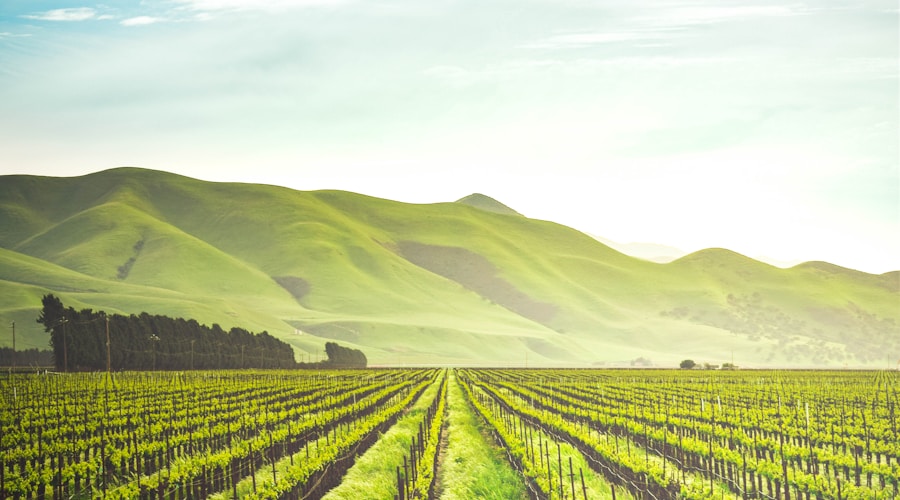
- Sicily and Calabria — Tomato, citrus, and olive harvests from July to November.
- Puglia — Olive and grape harvesting in autumn; one of Italy's largest agricultural regions.
- Campania — Seasonal fruit and vegetable picking throughout summer.
- Trentino-Alto Adige — Apple orchards; highly organised seasonal programmes with accommodation provided.
How Spain's Seasonal Worker Programmes Work
Spain operates formal bilateral seasonal worker agreements with several countries, including the Contratación en Origen programme. Under this system, Spanish employers submit recruitment requests through official channels, and partner countries' employment agencies select candidates. If selected, workers receive a sponsored seasonal visa, transport, and employer-arranged accommodation.
Finding Work Outside Official Programmes

Official programmes cover only a portion of available positions. Many international workers find farming roles directly through EURES, through agricultural cooperatives advertising on job boards, or through Europajoob listings. For these positions you apply directly to the employer and arrange your own seasonal work visa through the Spanish or Italian consulate in your country.
Practical Tips Before You Go
- Always verify the employer through official registers — in Spain, check the Registro de Empresas Acreditadas; in Italy, ask for the employer's CCIAA company registration number.
- Confirm accommodation details in writing before travelling — unscrupulous middlemen sometimes charge for housing that was supposed to be free.
- Bring work clothes and safety boots — many farms do not provide protective equipment.
- Register with the local Social Security office (INSS in Spain, INPS in Italy) within the first week to access healthcare and build your contribution record.
Agricultural work in Spain and Italy offers solid earnings, legal status, and — for many workers — a first foothold in the EU that leads to longer-term opportunities. Use Europajoob to browse currently open farming vacancies in both countries, with direct links to verified employer application portals.
Ready to put this advice into action?